



Time Zones 3ed 4 Classroom Presentation Tool | Mac
$10
Time Zones Third Edition Level 4 Classroom Presentation Tool (Mac) is a digital teaching resource designed to help teachers present engaging B1 American English lessons for teenage and secondary-school learners.
Created for use with Time Zones Third Edition Level 4, this classroom presentation software supports visual, focused, and well-organized teaching by bringing digital course content to a compatible Mac computer and classroom display.
- Series: Time Zones, Third Edition
- Level: Level 4
- CEFR level: B1
- Course stage: Low-intermediate
- Publisher: National Geographic Learning
- Language: American English
- Target learners: Teens / Secondary
- Platform: Mac / macOS
- Product type: Digital classroom presentation software
- Physical product: Not included
Time Zones Third Edition Level 4 Classroom Presentation Tool (Mac) is a digital teaching resource designed to help teachers deliver visually engaging, focused, and well-organized B1 American English lessons for teenage and secondary-school learners.
Created for use with Time Zones Third Edition Level 4 from National Geographic Learning, the Classroom Presentation Tool supports teacher-led instruction by bringing digital course content to a compatible Mac computer and classroom display.
Time Zones Third Edition combines amazing photography, updated videos, inspiring stories of global citizens, teacher-tested language lessons, and carefully scaffolded practice activities. The Classroom Presentation Tool helps teachers bring this visually rich learning experience to the front of the classroom.
Product Overview
- Product: Time Zones Third Edition Level 4 Classroom Presentation Tool (Mac)
- Series: Time Zones, Third Edition
- Level: Level 4
- CEFR level: B1
- Course stage: Low-intermediate
- Publisher: National Geographic Learning
- Language: American English
- Target learners: Teens / Secondary
- Platform: Mac / macOS
- Product type: Digital classroom presentation software
- Delivery: Digital download
- Physical shipping: Not included
What Is the Time Zones Third Edition Classroom Presentation Tool?
The Classroom Presentation Tool, commonly abbreviated as CPT, is designed to support teacher-led digital presentation during English lessons.
Instead of relying exclusively on printed materials, teachers can use classroom presentation software to bring course content to a compatible computer screen, projector, interactive whiteboard, large monitor, or other classroom display.
This creates a shared visual reference point so that the entire class can focus on the same page, photograph, text, activity, question, language point, or lesson stage together.
The exact interface, course content, multimedia, annotation tools, answer functions, interactive activities, zoom options, and other features available may depend on the specific software build supplied with this product.
About Time Zones Third Edition
Time Zones Third Edition is an American English course developed for teenage learners who are curious about the world and need a structured pathway toward increasingly confident and independent communication.
The series combines powerful photography, updated video content, global topics, inspiring stories of global citizens, teacher-tested language lessons, and carefully scaffolded practice.
These elements connect English learning with real people, places, cultures, nature, science, technology, exploration, society, everyday experiences, and ideas from around the world.
Where Are We Going Next?
The spirit of Time Zones Third Edition can be captured in one motivating question: Where are we going next?
The course encourages teenage learners to look beyond the classroom, discover new places, explore different cultures, meet inspiring people, and use English as a practical tool for understanding and communicating with the wider world.
At B1 level, photography, video, global topics, meaningful language models, and structured practice can help learners move toward longer responses, stronger comprehension, clearer opinions, and increasingly independent communication.
Time Zones Third Edition Level 4 at B1
Time Zones Third Edition Level 4 is positioned at CEFR B1 and supports low-intermediate learners who are ready to communicate with greater confidence, detail, and independence.
At B1 level, learners increasingly develop the ability to understand the main points of clear spoken and written English on familiar subjects, follow longer conversations and texts, describe experiences, explain opinions, give reasons, discuss plans, compare ideas, and produce connected spoken and written responses.
The Classroom Presentation Tool can support this development by creating a shared visual environment for vocabulary, grammar, listening, pronunciation, reading, speaking, critical thinking, review, and whole-class interaction.
Designed for Teenage and Secondary Learners
Teenage learners need English materials that are intellectually engaging, visually appealing, age-appropriate, and relevant to the wider world.
Time Zones addresses this need through remarkable photography, global topics, updated video, inspiring stories, and real-world contexts that can stimulate curiosity while supporting systematic language development.
The Classroom Presentation Tool can strengthen this experience by bringing course content to a larger classroom screen where students can explore photographs, texts, language, activities, and available multimedia together.
Designed for Teacher-Led Classroom Instruction
This product is primarily intended as a teacher-facing classroom presentation resource.
It can be particularly useful when the teacher wants the entire class to focus on the same page, photograph, text, question, language point, or activity at the same time.
A shared classroom display can make instructions clearer, support classroom management, reduce confusion, and help learners move through each lesson stage together.
Bring Course Content to the Classroom Screen
One of the main advantages of classroom presentation software is the ability to bring digital course content to the front of the classroom.
This can be especially useful when:
- Introducing a new unit or lesson
- Presenting photography and global topics
- Teaching and reviewing vocabulary
- Explaining grammar and language structures
- Modeling pronunciation
- Giving activity instructions
- Guiding reading tasks
- Supporting listening practice
- Using available multimedia
- Checking answers
- Encouraging extended speaking
- Leading classroom discussions
- Developing critical thinking
- Reviewing previously learned language
Create a Shared Visual Focus
A classroom can become difficult to manage when learners are looking at different pages, screens, or activities.
The Classroom Presentation Tool creates a shared visual reference point so that everyone can focus on the same content.
This can help teachers give clearer instructions, control lesson pacing, direct learner attention, model language, check understanding, and guide the whole class through the lesson together.
At B1 level, this shared focus is especially useful because learners work with longer texts, increasingly extended listening passages, broader vocabulary, more complex ideas, and more demanding communication tasks.
Support for Visual Learning
Visual content plays a defining role in Time Zones Third Edition.
Photography can introduce topics, provide context, stimulate curiosity, support vocabulary development, encourage prediction, and create opportunities for increasingly sophisticated communication.
Teachers can use displayed visual content to:
- Introduce lesson topics
- Activate prior knowledge
- Present new vocabulary
- Ask prediction questions
- Encourage close observation
- Support reading and listening comprehension
- Generate descriptions and comparisons
- Encourage extended speaking
- Invite personal responses and opinions
- Develop critical thinking
- Compare different viewpoints
- Create meaningful classroom discussions
Learning Through Amazing Photography
Powerful photography is a defining part of the Time Zones learning experience.
At B1 level, photographs can do much more than provide basic visual clues. They can become starting points for interpretation, prediction, comparison, inference, personal response, critical thinking, vocabulary development, and extended discussion.
A teacher can use images to encourage learners to describe details, make predictions, explain opinions, compare possibilities, ask questions, and connect global topics with personal experiences.
When presented on a larger classroom screen, photography can become a powerful focal point for observation and meaningful communication.
Support for B1 Vocabulary Development
Vocabulary development becomes increasingly important at B1 because learners need a broader and more flexible range of language to understand texts, follow spoken English, discuss different subjects, and express ideas more precisely.
The Classroom Presentation Tool can help teachers focus attention on relevant vocabulary, visual contexts, useful expressions, collocations, and examples.
Teachers can use displayed course content to:
- Introduce new vocabulary
- Connect words with meaningful contexts
- Model pronunciation
- Highlight useful expressions
- Explore word relationships
- Review previously learned vocabulary
- Encourage learners to infer meaning from context
- Build vocabulary networks
- Support extended speaking
- Encourage personalization
Support for Grammar Presentation
B1 learners encounter an increasingly broad range of grammatical structures and need clear explanations supported by meaningful examples.
The Classroom Presentation Tool can help teachers keep everyone focused on the same sentence, example, chart, question, activity, or language pattern.
This shared approach can make explanations easier to follow and reduce confusion about which example or exercise the teacher is discussing.
Teachers can move from clear presentation and modeling to guided practice, personalization, and increasingly independent communication.
Grammar in Meaningful Contexts
At B1 level, learners need grammar that supports increasingly precise and flexible communication.
Rather than treating grammar only as a collection of isolated rules, teachers can connect structures with real situations, reading texts, listening passages, photography, video, speaking activities, and writing tasks.
A classroom display can help the teacher demonstrate how grammatical forms function in meaningful contexts and guide learners toward practical use.
Support for Listening Activities
At B1 level, learners need regular opportunities to work with increasingly extended conversations, interviews, descriptions, explanations, narratives, and other forms of spoken English.
When relevant audio is available within the supplied software build, classroom presentation can help teachers organize listening lessons more efficiently.
Teachers can prepare learners before listening by introducing the context, reviewing key vocabulary, setting a clear purpose, and directing attention to relevant questions or visual clues.
After listening, the shared screen can support comprehension checking, vocabulary review, pronunciation work, note-taking, discussion, and speaking follow-up.
The exact audio content and playback functions available depend on the specific software build supplied with this product.
Listening for Main Ideas and Supporting Details
B1 learners increasingly need to distinguish between the central message and the details that support it.
Teachers can guide students to listen first for the overall topic, purpose, or main idea and then listen again for facts, reasons, examples, opinions, times, places, and other important information.
A shared classroom display can make instructions and comprehension tasks easier to manage because everyone can focus on the same questions and lesson objectives.
Following Longer Spoken English
As learners reach B1, listening passages can become longer and contain more information.
Students need to develop strategies for maintaining concentration, recognizing organization, identifying important information, and understanding essential meaning without depending on every individual word.
A Classroom Presentation Tool can help teachers divide listening work into clear stages and guide learners toward increasing independence.
Recognizing Speaker Purpose and Viewpoint
Intermediate listening involves understanding not only what speakers say but also why they say it and what viewpoint they express.
Learners can develop awareness of speaker purpose, opinions, preferences, agreement, disagreement, reactions, enthusiasm, and uncertainty.
Questions and visual prompts displayed on screen can help guide learners toward these more sophisticated aspects of listening comprehension.
Support for Note-Taking
As listening and reading content becomes longer, selective note-taking becomes increasingly valuable.
Learners can record keywords, names, numbers, main ideas, reasons, opinions, examples, and supporting details rather than trying to write complete sentences.
A Classroom Presentation Tool can help teachers model note-taking strategies and show students how to organize important information.
Support for Video-Based Learning
Video can be especially engaging for teenage B1 learners because it combines spoken English with people, places, actions, facial expressions, gestures, relationships, and visual context.
When video is available within the supplied Classroom Presentation Tool, teachers can use it to support:
- Prediction
- Vocabulary development
- Listening comprehension
- Observation
- Pronunciation awareness
- Understanding speaker purpose and viewpoint
- Speaking prompts
- Discussion
- Cultural awareness
- Critical thinking
- Note-taking
- Review activities
- Follow-up writing
The exact video content and functionality available depend on the specific software build supplied with this product.
Support for Pronunciation Practice
B1 learners need continued exposure to spoken English and clear pronunciation models.
Where relevant audio or multimedia is included in the supplied software build, teachers can help learners hear and practice words, phrases, sentences, and longer stretches of connected speech.
Whole-class presentation can support coordinated repetition, individual practice, pair work, shadowing, listening discrimination, and review.
Students can gradually develop stronger awareness of English sounds, word stress, sentence stress, rhythm, phrasing, linking, reduction, connected speech, and intonation.
Understanding Connected Speech
Naturally spoken English can sound different from words pronounced individually and slowly.
Words may be linked together, some sounds may be reduced, and patterns of stress, rhythm, and intonation can affect how spoken language is understood.
Repeated exposure to appropriate audio and multimedia can help B1 learners become more comfortable with these features and develop greater listening confidence.
Support for Speaking Confidence
At B1 level, learners move beyond short exchanges and begin developing more connected, detailed, and increasingly spontaneous communication.
A shared visual display can provide useful support for speaking activities.
Teachers can ask learners to:
- Describe people, places, situations, and experiences
- Answer questions in greater detail
- Ask follow-up questions
- Express personal opinions
- Give reasons and examples
- Compare alternatives
- Discuss advantages and disadvantages
- Talk about plans and possibilities
- Share personal experiences
- Participate in pair and group discussions
- Give extended spoken responses
Developing Longer Spoken Responses
An important part of B1 development is moving beyond one-sentence answers.
Learners can expand responses by adding descriptions, reasons, examples, opinions, comparisons, explanations, personal experiences, and supporting information.
Photography, questions, texts, visual prompts, and available multimedia can provide useful support for these longer responses.
Expressing Opinions and Giving Reasons
An important feature of B1 communication is the ability to express a viewpoint and explain why.
Learners can move beyond simple statements by adding reasons, examples, comparisons, experiences, and other supporting details.
A shared classroom display can help teachers present discussion prompts, useful language, visual stimuli, and questions that encourage learners to communicate more fully.
Developing Discussion Skills
B1 learners increasingly benefit from opportunities to participate in pair and group discussions.
They can practice listening to other viewpoints, responding appropriately, asking follow-up questions, agreeing, disagreeing, clarifying ideas, and maintaining interaction.
Course content displayed at the front of the classroom can provide common prompts and reference points for these discussions.
Support for Reading Activities
At B1 level, learners develop the ability to understand increasingly varied texts on familiar and accessible subjects.
A Classroom Presentation Tool can help teachers guide learners through reading activities while keeping the whole class focused on the same material.
The teacher can direct attention toward specific words, sentences, paragraphs, photographs, questions, or sections of a text and support:
- Prediction before reading
- Vocabulary preparation
- Reading for the main idea
- Finding specific information
- Identifying supporting details
- Recognizing opinions and viewpoints
- Using context to understand unfamiliar vocabulary
- Understanding text organization
- Checking comprehension
- Discussing visual information
- Reviewing useful language
- Following up with discussion or writing
Support for Writing Development
Although the Classroom Presentation Tool is primarily a presentation resource, displayed course content can also support B1 writing development.
Teachers can use photographs, texts, questions, language models, and prompts to guide learners as they practice:
- Writing descriptions
- Describing experiences
- Expressing opinions
- Giving reasons and examples
- Comparing ideas
- Discussing plans and possibilities
- Producing connected paragraphs
- Organizing information clearly
- Following structured writing models
Developing Critical Thinking
At B1 level, learners can increasingly move beyond simple recognition and comprehension toward prediction, interpretation, comparison, evaluation, and personal response.
Photography, video, global topics, and real-world stories can provide opportunities to:
- Make predictions
- Interpret visual information
- Compare people, places, experiences, and ideas
- Identify similarities and differences
- Express personal viewpoints
- Give reasons and examples
- Consider advantages and disadvantages
- Connect topics with personal experience
- Consider different perspectives
- Support opinions with evidence
Support for Whole-Class Answer Checking
Answer checking can become more focused and interactive when everyone is looking at the same activity.
Teachers can invite learners to give answers, compare responses, explain choices, identify mistakes, and correct work together.
This can turn correction into an active learning stage rather than simply reading answers aloud.
Any built-in answer-display or solution functions depend on the specific software build supplied with this product.
Support for Review and Revision
The Classroom Presentation Tool can also support systematic review and consolidation.
Teachers can return to earlier content for:
- Vocabulary revision
- Grammar review
- Listening repetition
- Pronunciation practice
- Visual recall activities
- Reading review
- Speaking revision
- Discussion preparation
- Critical-thinking activities
- Pre-test preparation
- End-of-unit consolidation
Support for Projectors and Classroom Displays
A Classroom Presentation Tool can be particularly useful when a compatible Mac computer is connected to a projector, large monitor, classroom display, or interactive whiteboard.
This allows course content to become a clear shared focal point at the front of the classroom.
Actual display performance depends on the Mac computer, macOS version, processor architecture, screen resolution, display scaling, available ports, adapters, permissions, classroom hardware, and the specific software build.
Encouraging More Heads-Up Learning
When teachers can access course content through one classroom presentation environment, they may spend less time moving between printed materials, folders, separate media players, and other applications.
This can support more heads-up teaching, where learners focus more on the teacher, classmates, and shared lesson content.
A clear common visual focus can create more opportunities for questioning, observation, eye contact, pair work, group discussion, and meaningful communication.
Exploring the World Through English
Time Zones encourages learners to see English as more than a school subject. English becomes a practical way to explore people, places, cultures, environments, discoveries, experiences, challenges, and ideas.
The Classroom Presentation Tool can help bring these global themes to the classroom screen and create opportunities for curiosity, observation, vocabulary development, comprehension, communication, critical thinking, and reflection.
Stories of Global Citizens
Stories about people around the world can make English learning more human, meaningful, and memorable.
Teenage learners can encounter people with different backgrounds, interests, experiences, ideas, challenges, and achievements while developing their language skills.
Teachers can use available course content and multimedia as starting points for vocabulary work, listening, reading, speaking, personal response, comparison, discussion, and whole-class interaction.
Carefully Scaffolded Learning
B1 learners are developing greater independence but still benefit from clear support when dealing with more complex language and communication tasks.
Effective scaffolding may include visual clues, teacher models, examples, guided exercises, structured prompts, useful language support, controlled practice, personalization, and gradual increases in difficulty.
A Classroom Presentation Tool can help teachers manage this progression by keeping the entire class focused on one clear lesson stage at a time.
From Input to Communication
Effective language development connects receptive input with productive communication.
Learners first encounter English through photography, listening, video, reading, examples, and contextualized language.
They then work with vocabulary, grammar, pronunciation, and useful expressions before applying new language through speaking and writing.
A shared classroom display can help teachers connect these different stages clearly.
American English
Time Zones Third Edition is an American English course.
Learners are exposed to American English language conventions and pronunciation models throughout the series.
This makes the course particularly suitable for schools, language centers, tutors, and educational programs following an American English curriculum.
Benefits for Teachers
- Digital classroom presentation support for Time Zones Third Edition Level 4
- Designed for B1 teenage and secondary-school learners
- Supports a shared visual classroom focus
- Supports visual presentation of course content
- Useful with compatible projectors and classroom displays
- Can support vocabulary presentation and review
- Can support grammar explanation
- Can support reading and extended speaking activities
- Can support listening and pronunciation where relevant media is included
- Can support video-based teaching where relevant video is included
- Can support discussion and critical thinking
- Useful for whole-class answer checking where corresponding functions are available
- Supports systematic review and revision
- Designed for use on compatible Mac computers
Benefits for Learners
- Clear shared visual focus during lessons
- Structured support at B1 level
- Age-appropriate content for teenage learners
- Powerful photography and global topics
- Support for broader vocabulary development
- Support for increasingly complex grammar
- Opportunities for listening and pronunciation practice
- Visual support for reading comprehension
- Support for longer spoken responses
- Opportunities to express opinions and give reasons
- Development of discussion and critical-thinking skills
- American English language model
Suitable For
- Teachers using Time Zones Third Edition Level 4
- B1 English classes
- Low-intermediate English learners
- Teenage and secondary-school students
- Schools and language centers
- Private English tutors
- American English programs
- Mac-based classroom computers
- Classrooms using projectors or large displays
- Teachers seeking more visually focused lessons
- Programs using multimedia-supported instruction
Suggested Classroom Workflow
- Prepare the Mac computer: Open the software and check the classroom display before teaching.
- Introduce the topic: Use available photography and visual content to stimulate curiosity and activate prior knowledge.
- Present key vocabulary: Introduce important words, expressions, and useful collocations.
- Explore the main content: Guide learners through the central lesson material.
- Use available audio: Develop listening for main ideas, details, viewpoints, and supporting information where relevant media is included.
- Review useful language: Focus on vocabulary, grammar, expressions, and pronunciation patterns.
- Use available video: Add visual context and opportunities for comprehension and critical thinking where included.
- Practice speaking: Encourage descriptions, explanations, opinions, reasons, comparisons, and discussions.
- Guide reading: Focus attention on main ideas, supporting details, viewpoints, and useful language.
- Encourage personal responses: Ask learners to explain opinions and support ideas with reasons or examples.
- Check understanding: Review answers and clarify difficulties.
- Recycle language: Return regularly to important vocabulary, structures, pronunciation patterns, and communication strategies.
Mac Compatibility Notice
This product is intended for use on compatible Mac desktop and laptop computers.
Successful installation and operation may depend on multiple technical factors, including:
- macOS version
- Mac model and release year
- Intel or Apple silicon processor architecture
- Software architecture and system requirements
- Availability of any required compatibility components
- Available memory
- Available storage space
- Screen resolution and display scaling
- User permissions and administrator access
- macOS security and privacy settings
- Gatekeeper restrictions
- Required system components
- Graphics and media capabilities
- The specific Classroom Presentation Tool software build
Compatibility with every macOS version, Mac model, processor architecture, computer configuration, or future operating system is not guaranteed.
No specific claim of compatibility with the latest macOS release or every Apple silicon Mac should be assumed unless explicitly stated in the product details or confirmed for the exact software build and computer environment.
Intel and Apple Silicon Compatibility
Mac computers may use either Intel processors or Apple silicon processors such as M1, M2, M3, M4, or later generations.
Compatibility can vary according to how the original software was developed, its architecture, required system components, and the installed macOS version.
Native Apple silicon support should not be assumed unless explicitly confirmed for the specific Classroom Presentation Tool build supplied with this product.
macOS Security and Installation
Depending on the software build and macOS version, the operating system may display security warnings or restrict applications obtained outside the Mac App Store.
Installation may depend on administrator permissions, security and privacy settings, Gatekeeper behavior, application signing, required system components, and other macOS conditions.
Customers should ensure that their Mac environment can run the specific software package before relying on it for classroom use.
Unsupported Native Platforms
This product is specifically offered as Mac software. Native compatibility should not be assumed for:
- Windows
- iOS or iPadOS
- Android
- ChromeOS
- Linux
- Mobile phones
- Smart TVs
Use through a virtual machine, compatibility layer, emulator, or another non-native environment may or may not work and is not guaranteed.
Digital Product Notice
This is a digital software product. No printed Student’s Book, Workbook, Teacher’s Book, physical disc, access card, or other physical item will be shipped.
The product includes only the Mac Classroom Presentation Tool package specifically offered in the product details.
No additional course component should be assumed unless explicitly listed.
Online Access and Digital Services
No Spark platform access, activation code, online account, interactive eBook, subscription, online practice, cloud service, or other online product should be assumed unless explicitly included in the product details.
This product is offered as a downloadable Mac classroom presentation software package.
Important Note About Classroom Presentation Tool Features
Classroom Presentation Tool features can vary between series, editions, levels, software versions, operating systems, and distribution builds.
Functions such as embedded Student’s Book pages, Workbook pages, audio, video, answer display, annotations, zoom, highlighting, writing tools, interactive activities, or other presentation functions should be considered available only when included in the specific software build supplied with this product.
No feature that is not explicitly listed should automatically be assumed.
Frequently Asked Questions
What is Time Zones Third Edition Level 4 Classroom Presentation Tool?
It is a digital classroom presentation resource designed to support teachers using Time Zones Third Edition Level 4.
What CEFR level is Time Zones Third Edition Level 4?
Time Zones Third Edition Level 4 is positioned at CEFR B1.
What course stage is Level 4?
Time Zones Third Edition Level 4 is positioned at the low-intermediate stage.
Who is Time Zones Third Edition Level 4 designed for?
The course is designed primarily for teenage and secondary-school English learners developing increasingly independent B1 communication skills.
Is Time Zones Third Edition American or British English?
Time Zones Third Edition is an American English course.
Who is the author of Time Zones 4, Third Edition?
Time Zones 4, Third Edition is authored by David Bohlke.
Which operating system is this product for?
This product is specifically offered for compatible Mac computers running macOS.
Is compatibility with the latest macOS guaranteed?
No. Compatibility can depend on the exact software build, macOS version, Mac model, processor architecture, security settings, required system components, permissions, and other technical factors.
Does it work on Apple silicon Macs such as M1, M2, M3, or M4?
Compatibility with Apple silicon depends on the specific software build and system environment. Native support for every Apple silicon processor should not be assumed unless explicitly confirmed for the exact software package.
Can I use this software on an Intel Mac?
Compatibility depends on the software build, macOS version, processor requirements, system components, and other technical conditions. Support for every Intel Mac configuration is not guaranteed.
Can I use this software on Windows?
This product is offered specifically as Mac software. Native Windows compatibility should not be assumed.
Can I use it on an iPad or iPhone?
No native iOS or iPadOS compatibility should be assumed. This product is intended for compatible Mac computers.
Does the product include a printed Student’s Book?
No. No printed book or other physical item is included.
Does it include Spark platform access?
No Spark platform access, online account, activation code, subscription, or other online service should be assumed unless explicitly stated in the product details.
Does the software require an internet connection?
This depends on the exact software build and any technical requirements associated with installation or operation. Offline capability should not be assumed beyond what the supplied software itself supports.
Does the Classroom Presentation Tool include audio and video?
The exact audio, video, interactive content, and presentation features available depend on the specific software build supplied with this product. No unlisted component should automatically be assumed.
Can teachers use the software with a projector?
A compatible Mac computer can generally be connected to a projector or classroom display, subject to the Mac model, macOS version, available ports, adapters, display configuration, classroom hardware, and software environment.
Is this a physical product?
No. This is a digital software product delivered electronically. No physical disc, printed book, access card, or other physical item will be shipped.
A Powerful B1 Classroom Companion for Mac
Time Zones Third Edition Level 4 Classroom Presentation Tool (Mac) helps teachers bring visually rich B1 course content to the classroom screen and create more focused, engaging, and well-organized English lessons.
For teenage learners developing low-intermediate American English skills, a shared visual classroom environment can support vocabulary, grammar, listening, pronunciation, reading, extended speaking, discussion, critical thinking, review, and whole-class interaction.
Combined with the global spirit of Time Zones Third Edition—amazing photography, updated videos, inspiring stories of global citizens, teacher-tested language lessons, and carefully scaffolded practice—the Classroom Presentation Tool can help teachers create lessons that encourage learners to look beyond the classroom and ask one motivating question: Where are we going next?
Time Zones 3ed Classroom Presentation Tool Demo (Offline iTools)
| Name | Price | Buy |
|---|---|---|
| Time Zones Third Edition Starter PDFs & Resources | $10 | |
| Time Zones Third Edition Level 1 PDFs & Resources | $10 | |
| Time Zones Third Edition Level 2 PDFs & Resources | $10 | |
| Time Zones Third Edition Level 3 PDFs & Resources | $10 | |
| Time Zones Third Edition Level 4 PDFs & Resources | $10 | |
| Time Zones Third Edition All 5 Levels | PDFs & Resources | Original price was: $50.$45Current price is: $45. |
NGL Time Zones 3rd Edition Pdf Presentation Tools (Pre A1 / B1)
Related products

Classroom Presentation Tool

Classroom Presentation Tool
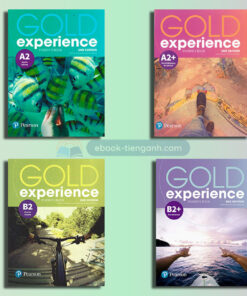
Classroom Presentation Tool
Gold Experience 2Ed – All 8 Levels (SB Presentation Tool – Windows)

Classroom Presentation Tool
Our World Starter Classroom Presentation Tool Windows (2ed) AME
Classroom Presentation Tool
Classroom Presentation Tool

Classroom Presentation Tool
Grammar In Context 1 Classroom Presentation Tool (7ed) – Windows
Classroom Presentation Tool