Speaking Time (PDFs, Resources)
Level 1 (Pre A1)
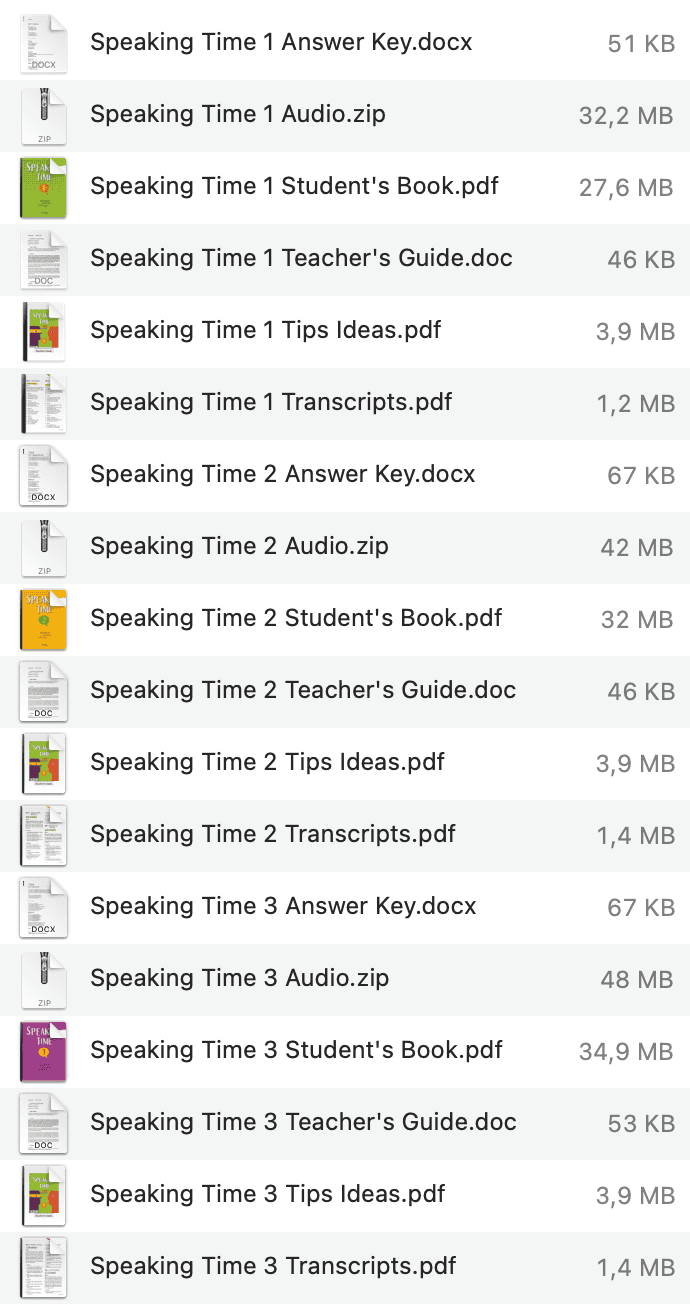
Speaking Time 1 Answer Key.docx
Speaking Time 1 Audio.zip
Speaking Time 1 Student’s Book.pdf – Sample: Click
Speaking Time 1 Teacher’s Guide.doc
Speaking Time 1 Tips Ideas.pdf
Speaking Time 1 Transcripts.pdf
Level 2 (A1)
Speaking Time 2 Answer Key.docx
Speaking Time 2 Audio.zip
Speaking Time 2 Student’s Book.pdf – Sample: Click
Speaking Time 2 Teacher’s Guide.doc
Speaking Time 2 Tips Ideas.pdf
Speaking Time 2 Transcripts.pdf
Level 3 (A1 – A1+)
Speaking Time 3 Answer Key.docx
Speaking Time 3 Audio.zip
Speaking Time 3 Student’s Book.pdf – Sample: Click
Speaking Time 3 Teacher’s Guide.doc
Speaking Time 3 Tips Ideas.pdf
Speaking Time 3 Transcripts.pdf
| Name | Price | Buy |
|---|---|---|
| Speaking Time 1 PDFs, Resources | $5 | |
| Speaking Time 2 PDFs, Resources | $5 | |
| Speaking Time 3 PDFs, Resources | $5 | |
| Speaking Time PDFs, Resources - All 3 Levels | Original price was: $15.$12Current price is: $12. |
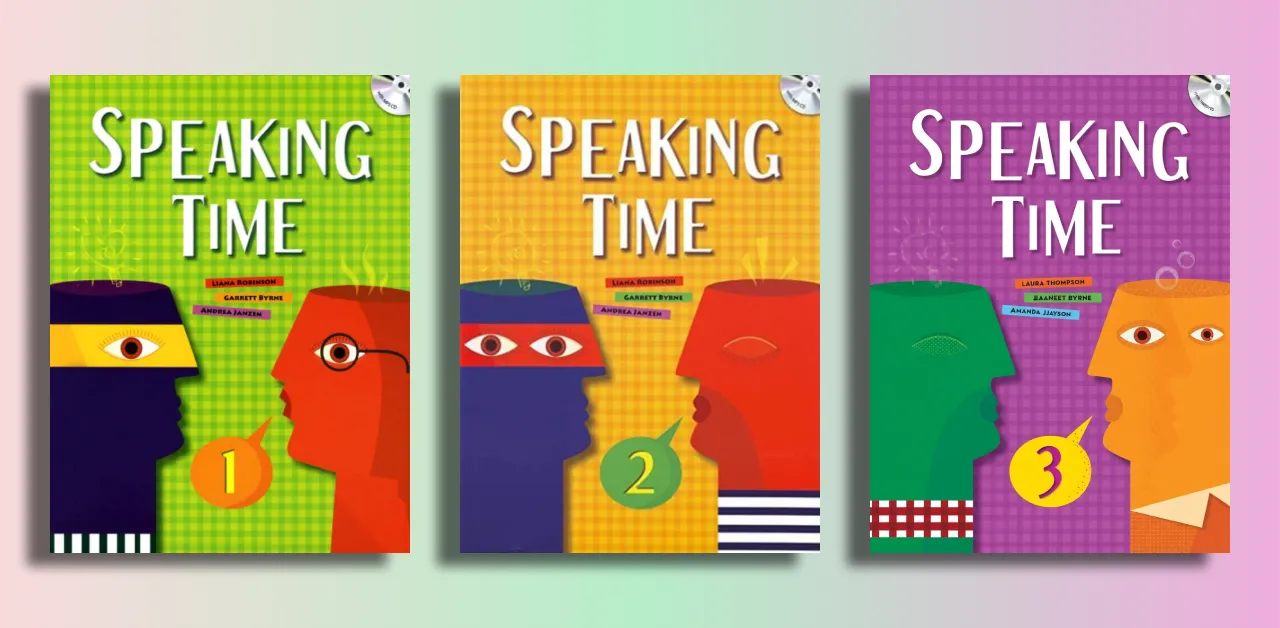
Overview of “Splash! Kindergarten Coursebook” by Compass Publishing
Contents
- 1 Overview of “Splash! Kindergarten Coursebook” by Compass Publishing
- 2 Why Speaking Time Matters in Early English Education
- 3 Key Features of Speaking Time
- 4 Who Is Speaking Time Suitable For?
- 5 Benefits of Using Speaking Time
- 6 How Speaking Time Supports Effective Speaking Development
- 7 Final Thoughts on Speaking Time by Compass Publishing
| ✅ Coursebook: | Splash Kindergarten Coursebook |
| ✅ Authors: | Liana Robinson, Garrett Byrne, Andrea Janzen |
| ✅ Publisher: | Compass Publishing |
| ✅ Levels: | Pre A1, A1 |
| ✅ English type: | International English |
| ✅ For: | Primary |
| ✅ Publication year: | 2012 |
Helping children speak English confidently is one of the most important goals in early language education. Many young learners can recognize vocabulary, complete workbook tasks, and follow classroom instructions, yet still hesitate when asked to speak aloud. This gap between understanding and oral production is common, especially at beginner level. A strong speaking course should therefore do more than teach words and phrases. It should guide learners step by step, provide safe opportunities for practice, and help them move gradually from repetition to real communication.
Speaking Time by Compass Publishing is designed with that goal in mind. Compass describes it as a three-level speaking series for elementary school learners, built around theme-based content, guided speech models, pair work, listening support, and mini presentations. The series is intended to help children develop oral fluency and confidence in English-speaking academic settings. It includes twenty units per book, full-color illustrations, and audio recorded by native English speakers, giving learners both language input and structured speaking practice from the start.
What Is Speaking Time?
At its core, Speaking Time is a beginner-friendly course that focuses specifically on oral communication. Rather than treating speaking as a secondary skill, the series puts spoken English at the center of the learning process. According to Compass Publishing, each book contains linked language practice built around modeled speech, with a sequence of activities that leads students toward a mini presentation at the end of the unit. This design suggests that the course is meant to develop both speaking confidence and simple presentation ability in a gradual, scaffolded way.
The series consists of three levels. Compass places Speaking Time 1 at CEFR Pre-A1, Speaking Time 2 at A1, and Speaking Time 3 at A1 to A1+. That progression makes the course especially suitable for young learners who are still building foundational vocabulary, sentence patterns, and listening awareness. It also shows that the series is aimed at genuine beginners, not learners who already have strong oral fluency.

Speaking Time 1 Student’s Book
Why Speaking Time Matters in Early English Education
In language classrooms for children, speaking can be both exciting and intimidating. Young learners often enjoy chants, songs, games, and short dialogues, but they may become nervous when expected to produce language independently. This is why speaking materials for children need careful sequencing. Learners need clear input, predictable lesson routines, and enough repetition to feel secure. They also need tasks that are achievable at their level.
Speaking Time appears to address these needs through a structured and accessible format. Compass emphasizes that the activities are easy to use, require minimal teacher preparation, and are supported by full-color visual materials. For children, visual support is not just decorative. It reduces cognitive load, improves comprehension, and gives learners something concrete to connect with the language they are practicing. When children can see the topic, anticipate meaning, and repeat useful sentence patterns, they are more likely to speak with confidence.
Another important strength is the course’s focus on manageable speaking goals. Beginners do not need abstract discussions or advanced debate tasks. They need meaningful, simple communication: introducing ideas, describing familiar topics, answering basic questions, and presenting short prepared speech. By organizing each unit around guided practice that builds to a mini presentation, Speaking Time reflects a realistic and developmentally appropriate approach to speaking instruction.
Key Features of Speaking Time
1. A Three-Level Progression for Elementary Learners
One of the clearest strengths of Speaking Time is its graded structure. A three-level series gives schools and teachers a clear path for progression, while keeping the learning targets realistic. At Pre-A1 through A1+, students are still learning to pronounce basic words clearly, understand simple classroom language, and produce short spoken responses. A course that respects these developmental stages is more likely to build confidence rather than frustration. Compass’s CEFR placement supports the view that Speaking Time is designed as a foundational speaking program for the elementary years.
2. Theme-Based Units That Support Comprehension
Compass states that the series covers a wide range of theme-based topics across twenty units in each book. This is especially useful in young learner classrooms because themes help children organize language around meaningful contexts. When vocabulary and expressions are taught through recognizable topics, students can connect new English to daily life, school experiences, and familiar routines. That kind of contextual learning makes speaking practice more natural and memorable.
3. Modeled Speech and Guided Practice
A major challenge in beginner speaking classes is that many students do not know how to begin. Modeled speech helps solve this problem. Compass notes that each unit includes linked language practice based on a speech model. This means learners are not asked to speak without preparation. Instead, they first hear and work with language patterns before being expected to produce their own spoken output. This kind of scaffolding is a hallmark of effective early language teaching because it gives children a framework to imitate, adapt, and eventually personalize.
4. Listening and Pair-Work Integration
Speaking develops best when it is connected to listening. Learners need repeated exposure to pronunciation, stress, intonation, and natural phrasing before they can reproduce language accurately. Compass highlights that Speaking Time includes additional listening and pair-work activities, supported by around one hundred audio tracks recorded by native English speakers. This integration is valuable because it ensures that speaking practice is not isolated. Students first listen, then rehearse, then interact. That sequence supports both accuracy and fluency in the early stages of oral language development.
5. Mini Presentations for Confidence Building
Perhaps the most distinctive feature of Speaking Time is its use of mini presentations. According to Compass, each unit builds toward a short presentation task intended to help learners gain confidence in English-speaking academic environments. This is an important design choice. Even basic presentation work can teach children how to organize ideas, use memorized language purposefully, and speak in front of classmates with more assurance. These small successes often have a lasting effect on learner motivation.
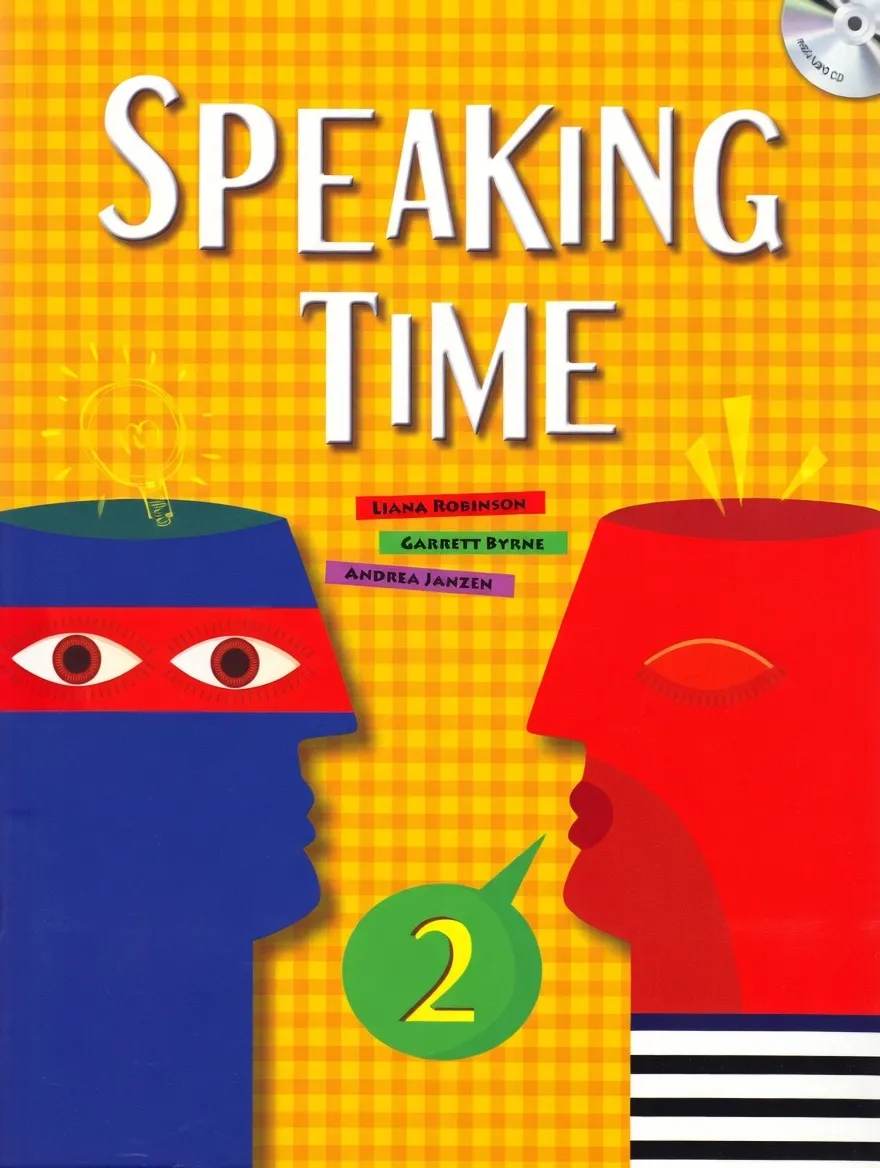
Speaking Time 2 Student’s Book
Who Is Speaking Time Suitable For?
Speaking Time is most suitable for elementary-aged English learners who are at the beginning of their language journey. It appears especially relevant for:
- children at Pre-A1 to A1+ level
- learners who understand some English but hesitate to speak
- students who benefit from visual support and repeated language models
- classes that need a speaking-focused supplement or core oral skills course
- teachers looking for structured speaking practice with low preparation demands
Because the series is designed for elementary school learners and placed at beginner CEFR levels, it is best suited to contexts where confidence-building and oral routine matter more than advanced grammar explanation or extended writing.
Benefits of Using Speaking Time
A well-designed speaking course can have a deep impact on children’s long-term language development. Based on the publisher’s description, Speaking Time offers several important benefits.
First, it helps learners move from passive knowledge to active use. Many children recognize words in a book but struggle to say them in context. A course centered on modeled speaking and repeated practice can bridge that gap.
Second, it supports confidence. Because the units build gradually and end with achievable mini presentations, learners are more likely to experience success. In young learner classrooms, confidence is not a minor outcome. It is one of the main conditions for future progress in speaking.
Third, it supports pronunciation and listening awareness. Audio from native speakers gives learners a consistent model of spoken English, helping them become more aware of rhythm, stress, and natural phrasing.
Fourth, it encourages interaction. Pair-work activities can reduce pressure and create more chances for participation, which is especially important in large classes where individual teacher-student speaking time is limited.
Finally, it is practical for teachers. Materials that require minimal preparation but still provide structured speaking development can make classroom implementation more sustainable and effective. These benefits are all consistent with the features Compass highlights in the series description.
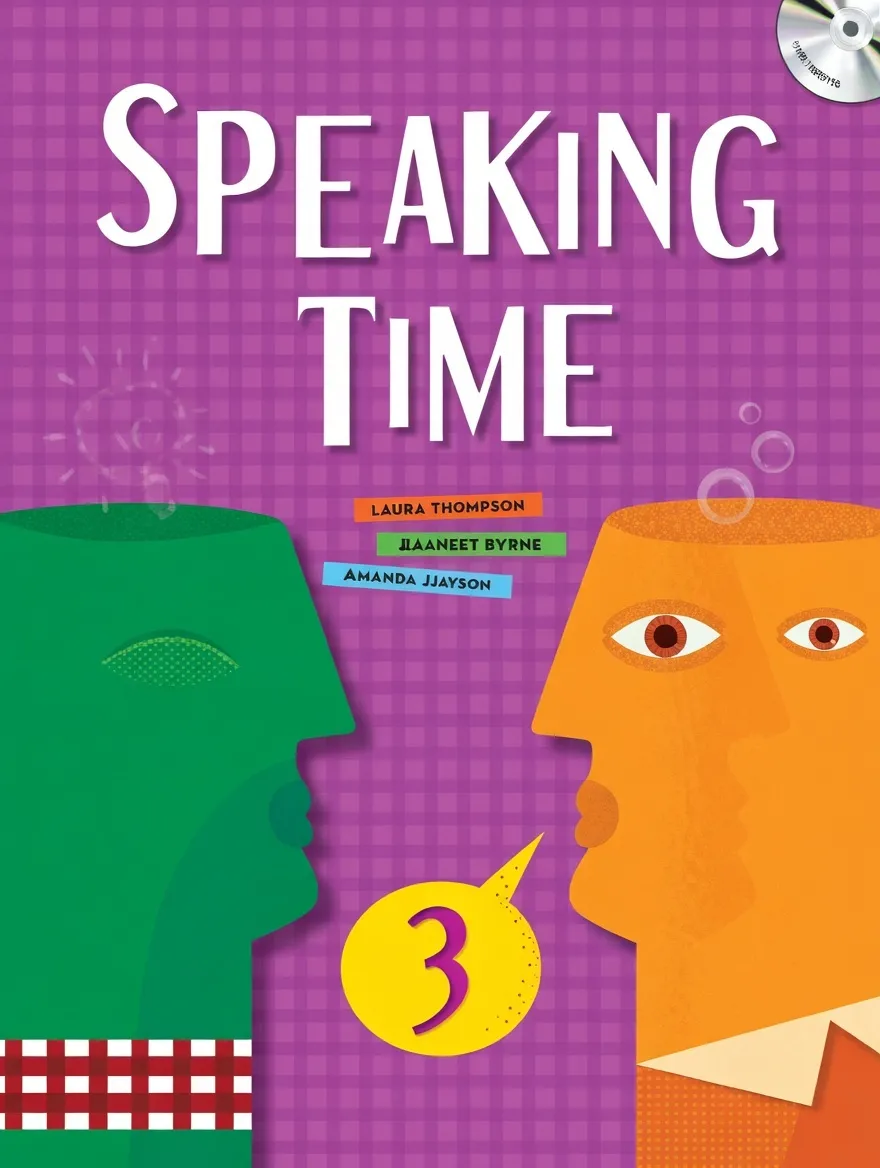
Speaking Time 3 Student’s Book
How Speaking Time Supports Effective Speaking Development
From a pedagogical point of view, Speaking Time aligns with several principles associated with effective language learning for children.
The first is scaffolding. Beginners need language support before independent production. By using speech models and linked practice, the series appears to guide children step by step rather than forcing spontaneous output too early.
The second is repetition with purpose. Children need to hear and use language multiple times, but repetition is most effective when it leads somewhere. In Speaking Time, repeated practice seems to culminate in a mini presentation, giving students a reason to rehearse language and use it meaningfully.
The third is multimodal learning. Full-color visuals, listening tracks, speaking tasks, and pair work combine different channels of learning. For young learners, this can improve comprehension and engagement.
The fourth is gradual performance development. Short presentations are a smart bridge between controlled drills and more independent speaking. They allow children to feel that they are using English for communication, not just repeating isolated sentences.
Final Thoughts on Speaking Time by Compass Publishing
Speaking Time by Compass Publishing stands out as a focused, practical, and developmentally appropriate speaking course for young learners of English. Its three-level structure, beginner CEFR alignment, theme-based units, listening support, pair work, and mini presentations make it a strong option for helping children build foundational oral communication skills. Rather than overwhelming learners, the course appears to support them through guided language input and achievable speaking goals.
For teachers, the series offers a manageable classroom tool. For students, it offers a clear path toward speaking with greater confidence. For parents and schools, it represents the kind of structured oral English practice that many children need in order to become active users of the language. In a world where communicative ability matters more than ever, a series like Speaking Time can play an important role in helping young learners develop not only better English, but also a stronger voice in the classroom.