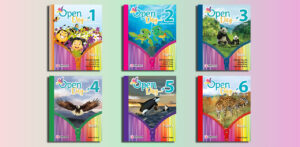
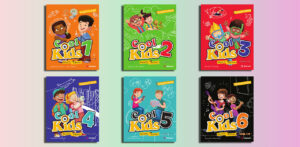
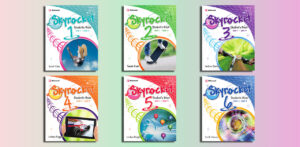
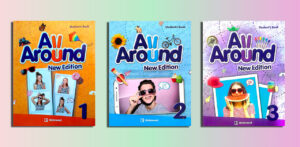
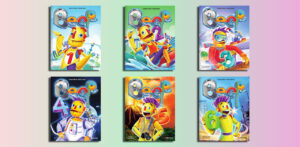
Beep (PDFs, Resources)
Level 1
Beep 1 Class Audio.zip
Beep 1 Reader Audio.zip
Beep 1 Reader.pdf – Sample: Click
Beep 1 Resources.zip
Beep 1 Student’s Book & Activity Book.pdf – Sample: Click
Beep 1 Teacher’s Book.pdf
Level 2
Beep 2 Class Audio.zip
Beep 2 Reader Audio.zip – Sample: Click
Beep 2 Reader.pdf
Beep 2 Resources.zip
Beep 2 Student’s Book & Activity Book.pdf – Sample: Click
Beep 2 Teacher’s Book.pdf
Level 3
Beep 3 Class Audio.zip
Beep 3 Reader Audio.zip
Beep 3 Reader.pdf – Sample: Click
Beep 3 Resources.zip
Beep 3 Student’s Book & Activity Book.pdf – Sample: Click
Beep 3 Teacher’s Book.pdf
Level 4
Beep 4 Class Audio.zip
Beep 4 Reader Audio.zip
Beep 4 Reader.pdf – Sample: Click
Beep 4 Resources.zip
Beep 4 Student’s Book & Activity Book.pdf – Sample: Click
Beep 4 Teacher’s Book.pdf
Level 5
Beep 5 Class Audio.zip
Beep 5 Reader Audio.zip
Beep 5 Reader.pdf – Sample: Click
Beep 5 Resources.zip
Beep 5 Student’s Book & Activity Book.pdf – Sample: Click
Beep 5 Teacher’s Book.pdf
Level 6
Beep 6 Class Audio.zip
Beep 6 Reader Audio.zip
Beep 6 Reader.pdf – Sample: Click
Beep 6 Resources.zip
Beep 6 Student’s Book & Activity Book.pdf – Sample: Click
Beep 6 Teacher’s Book.pdf

| Name | Price | Buy |
|---|---|---|
| Beep - All 6 Levels (PDFs, Resources) | $8 |

Overview of the “Beep” by Richmond
Contents
| ✅ Coursebook: | Beep |
| ✅ Publisher: | Richmond |
| ✅ Levels: | A1 |
| ✅ English type: | American English |
| ✅ For: | Primary School |
| ✅ Publication year: | 2014 |
“Beep” is a six-level English course by Richmond designed for primary school children. It follows a clear principle: every situation where learners meet English should feel meaningful and closely connected to their own world – family, school, friends, games, and imagination.
Course concept and methodology
Beep is built around communicative, student-centred learning. Lessons are structured so that children use English to talk about things they care about, rather than just repeat isolated words and grammar. Units move from controlled practice to more open, creative tasks: pairwork, group games, role-plays, short projects and simple writing tasks. Songs, chants, stories and games are used extensively to keep motivation high and to support natural pronunciation and rhythm.
The course also carefully balances language and fun. Each unit is divided clearly between “theory” (vocabulary, grammar, skills work) and enjoyable practice activities. This structure helps teachers manage time and gives children a sense of routine without being boring.
Levels and target learners
Beep consists of six levels (Beep 1–6), typically covering the full primary cycle. The progression is gradual:
- Lower levels (1–2): Focus on listening and speaking, basic vocabulary, very simple reading and writing, lots of visuals, chants and TPR-style activities.
- Middle levels (3–4): Expand grammar, reading comprehension, and guided writing, while still using plenty of stories, games and projects.
- Upper levels (5–6): Prepare students for higher primary or lower-secondary courses, with more complex texts, integrated skills, and greater learner autonomy.
The series suits both public and private primary schools that want a consistent, complete program across all grades.
Skills development and content
Across the six levels, Beep systematically develops the four main skills – listening, speaking, reading and writing – while integrating vocabulary and grammar in context. Typical units include:
- A topic introduction using engaging images or questions to activate prior knowledge.
- Vocabulary and structure presentation in mini-dialogues, short texts or stories.
- Listening and speaking tasks where children repeat, respond, ask and answer, or role-play.
- Reading texts (stories, emails, simple non-fiction) to build comprehension skills.
- Writing tasks that begin with copying and sentence completion and grow into short, guided paragraphs.
The topics are child-friendly (family, school life, animals, food, hobbies, celebrations, the environment) and often include cross-curricular or values-based content, helping learners connect English with other subjects and real-life situations.
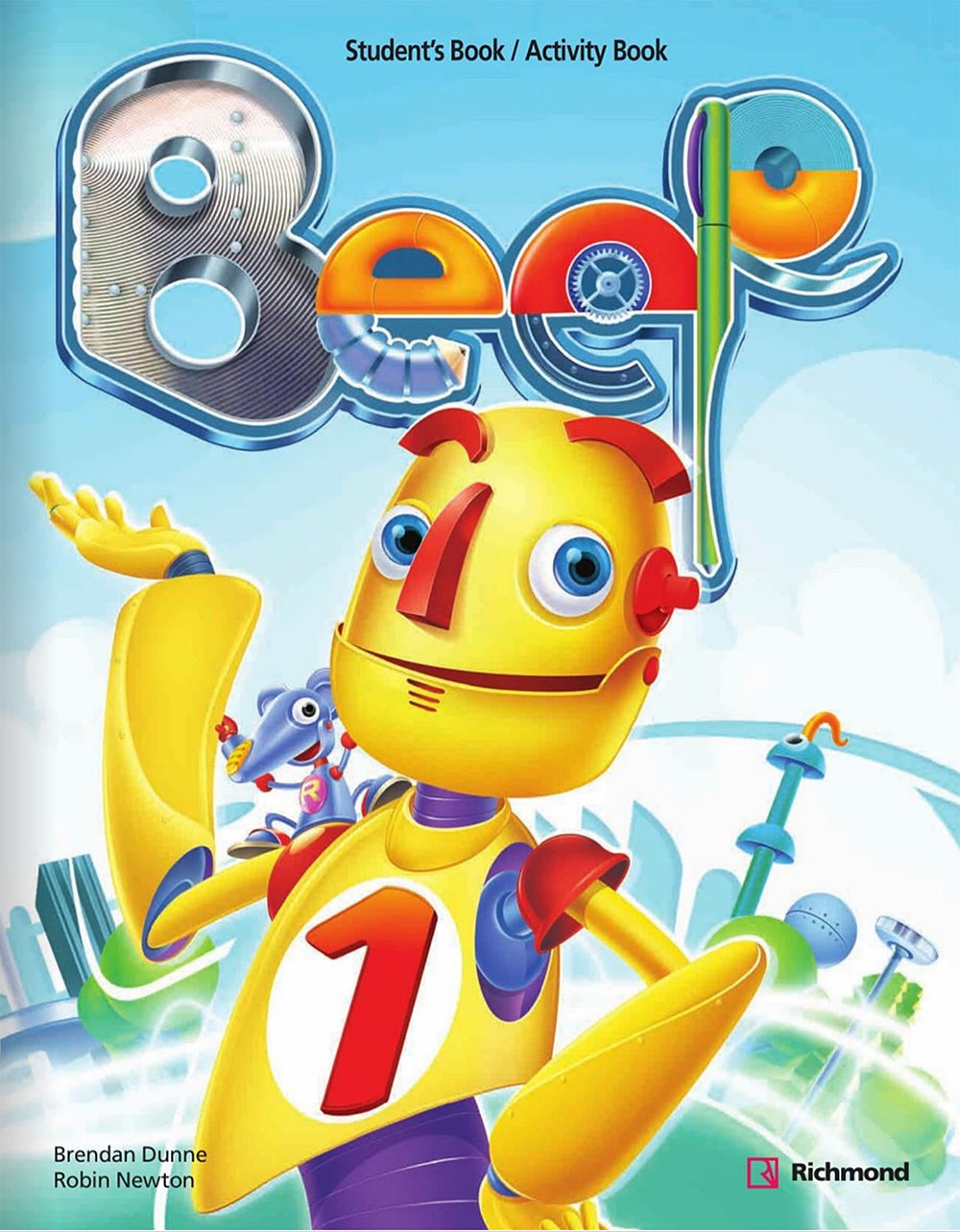
Beep 1 Student’s Book & Activity Book
Who is suitable for “Beep”?
“Beep” is ideal for primary school children who are starting or continuing their journey with English, typically from about Grade 1 to Grade 5/6 (roughly ages 6–12), in both public and private schools. It is designed as a full six-level course that can accompany learners throughout the whole primary cycle.
Here are the groups who benefit most from Beep:
1. Young learners in primary schools
- Children who are learning English as a second or foreign language and need a clear, gradual progression.
- Classes that require a balanced mix of “serious” language work and fun practice – Beep units are divided between theory (vocabulary, grammar, skills) and engaging activities (songs, games, stories, projects).
- Schools looking for one consistent series across all primary grades, from complete beginners at Level 1 to more confident users at Level 6.
2. Students who learn best through meaningful, child-friendly contexts
Beep is especially suitable for learners who:
- Respond well to stories, songs, chants, and games – the course uses these in every level to keep motivation high.
- Need language to feel relevant to their own world: family, school, friends, hobbies, celebrations, and imagination. All contexts are designed to be meaningful and connected to children’s real or imaginary lives.
- Benefit from visual support and clear structure – colourful pages, clear lesson steps, and predictable unit organization.
3. Mixed-ability classes
Beep works well in classes where learners are at different levels of ability, because:
- Activities are graded and often include extra support for weaker students and extension tasks for stronger ones (for example, materials on the Beep 6 Resource CD differentiate support and extension levels).
- Teachers have a wide choice of extra worksheets, tests and games to adapt to slower or faster groups.
4. Teachers who value a complete package of resources
Although the question is about learners, Beep is also very suitable when:
- The school wants a course with strong teacher support (Teacher’s Book, Resource Book, tests, flashcards, story cards, posters, DVDs, audio, i-Solutions).
- Teachers need ready-made materials for large classes, limited preparation time, or mixed-level groups.
5. Programs building a foundation for later study
Beep is a good fit for schools that plan for students to continue with more demanding secondary courses later. By the end of Level 6, students have worked systematically on all four skills, basic grammar, and a wide vocabulary, giving them a solid base for lower-secondary ELT series and, later on, exam-focused courses.
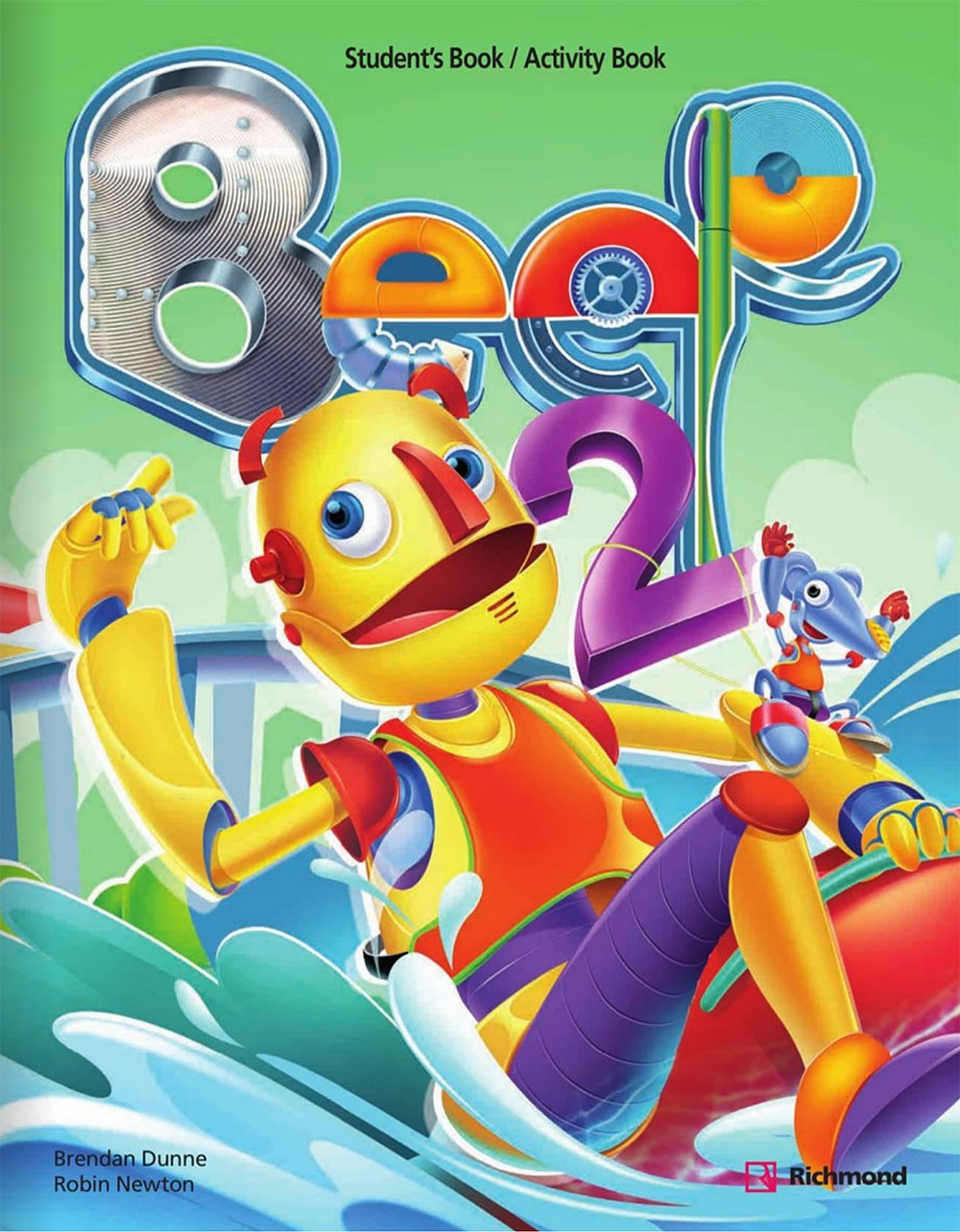
Beep 2 Student’s Book & Activity Book
The benefits of “Beep”
1. Strong foundation in all four skills
Beep develops listening, speaking, reading, and writing in a carefully sequenced way across the six levels. Younger learners begin with oral communication and visual recognition, while older primary students gradually move into structured reading and guided writing. This balanced approach ensures long-term skill development rather than memorisation.
2. Meaningful, child-centred learning
A major strength of Beep is that every unit is built around real-life, age-appropriate contexts—family, school life, celebrations, animals, hobbies, daily routines, and imaginative stories. Because the topics reflect the world of children, the language becomes natural and easier to remember.
3. High motivation through songs, stories, and games
Beep uses a high number of songs, chants, rhymes, colourful stories, puzzles, and classroom games. These activities:
- Keep young learners engaged
- Improve pronunciation and rhythm through natural repetition
- Reduce stress and fear of speaking
- Support multiple learning styles (visual, auditory, kinaesthetic)
This playful methodology makes the course especially effective for maintaining motivation across the full primary cycle.
4. Clear structure that helps teachers and students
Each unit has a predictable, easy-to-follow format. Children feel more secure because they know what to expect, and teachers can deliver lessons smoothly without spending too much time on planning. The system moves from presentation → practice → communication, helping children gradually gain confidence.
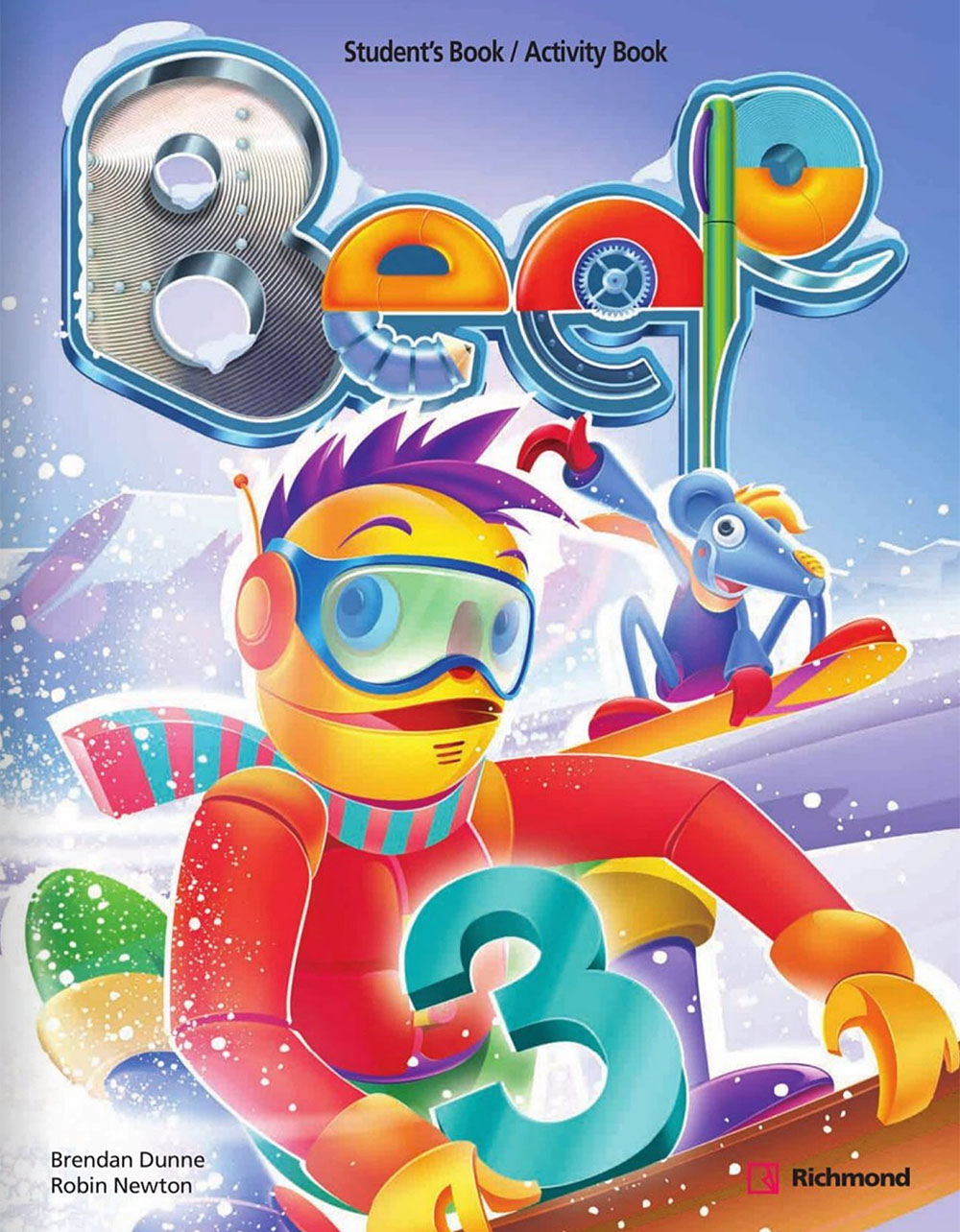
Beep 3 Student’s Book & Activity Book
5. Rich teaching resources
Teachers benefit from a large set of tools:
- Teacher’s Book with step-by-step lessons
- Resource Book with photocopiable handouts
- Tests and assessment packs
- Class audio and video
- Story cards, flashcards, posters, puppets (in many levels)
- Digital tools (interactive whiteboard material, platform-based resources in some regions)
This makes Beep suitable even for large classes, mixed-ability groups, or limited-preparation environments.
6. Adaptable to mixed-ability classrooms
Beep includes graded tasks, optional activities, reinforcement worksheets, and extension work for fast learners. This flexibility helps teachers manage classes where students progress at different speeds, which is common in primary ESL contexts.
7. Smooth progression across six levels
The series is designed to accompany children from beginner to early pre-intermediate competence. Vocabulary, grammar, and skills build gradually, allowing schools to use the series consistently for all primary grades without gaps or jumps in difficulty.
8. Encourages creativity and communication
Beep regularly includes:
- Pair and group work
- Mini-projects
- Role-plays
- Personalised speaking and writing tasks
These activities help children express their own ideas, build confidence, and use English for real communication—not just for textbook exercises.
9. Values education and cross-curricular connections
Many units subtly introduce themes like cooperation, respect, environmental awareness, and curiosity. Others connect with subjects such as science, math, or social studies. This makes the course useful for CLIL-style lessons and modern educational goals.
10. Strong preparation for secondary English programs
By the end of Level 6, students have:
- A broad vocabulary base
- Solid grammar foundations
- Experience with longer readings
- Confidence in structured writing
- Practice with integrated skills
This makes the transition to lower-secondary ELT courses much smoother.
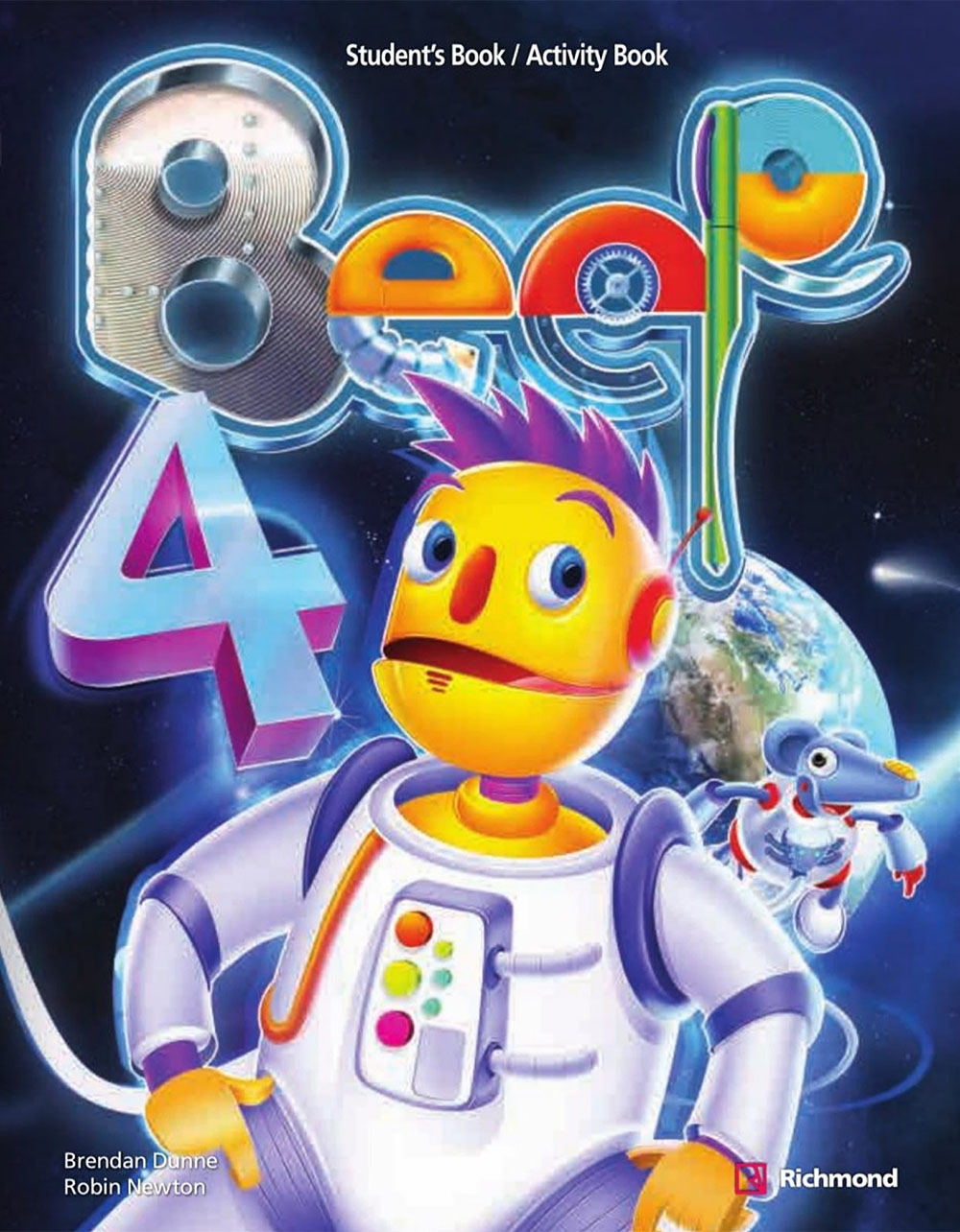
Beep 4 Student’s Book & Activity Book
Effective learning strategies for “Beep”
1. Use the structure of each unit to build routine
Beep follows a predictable sequence—vocabulary → grammar → skills → story → practice → project.
To maximize learning:
- Begin each lesson with a quick review of previous content.
- Introduce new language using visuals, gestures, and examples before opening the book.
- Move from controlled tasks to open communication, following the book’s natural progression.
This routine gives children confidence and reduces cognitive overload.
2. Sing, chant, and act out stories for better retention
Songs, chants, and stories are central to Beep. Use them frequently:
- Repeat songs across lessons to improve pronunciation and rhythm.
- Let students act out story dialogues with puppets or simple props.
- Use chants as transitions between activities to keep energy high.
These activities create multi-sensory input, helping children remember language naturally.
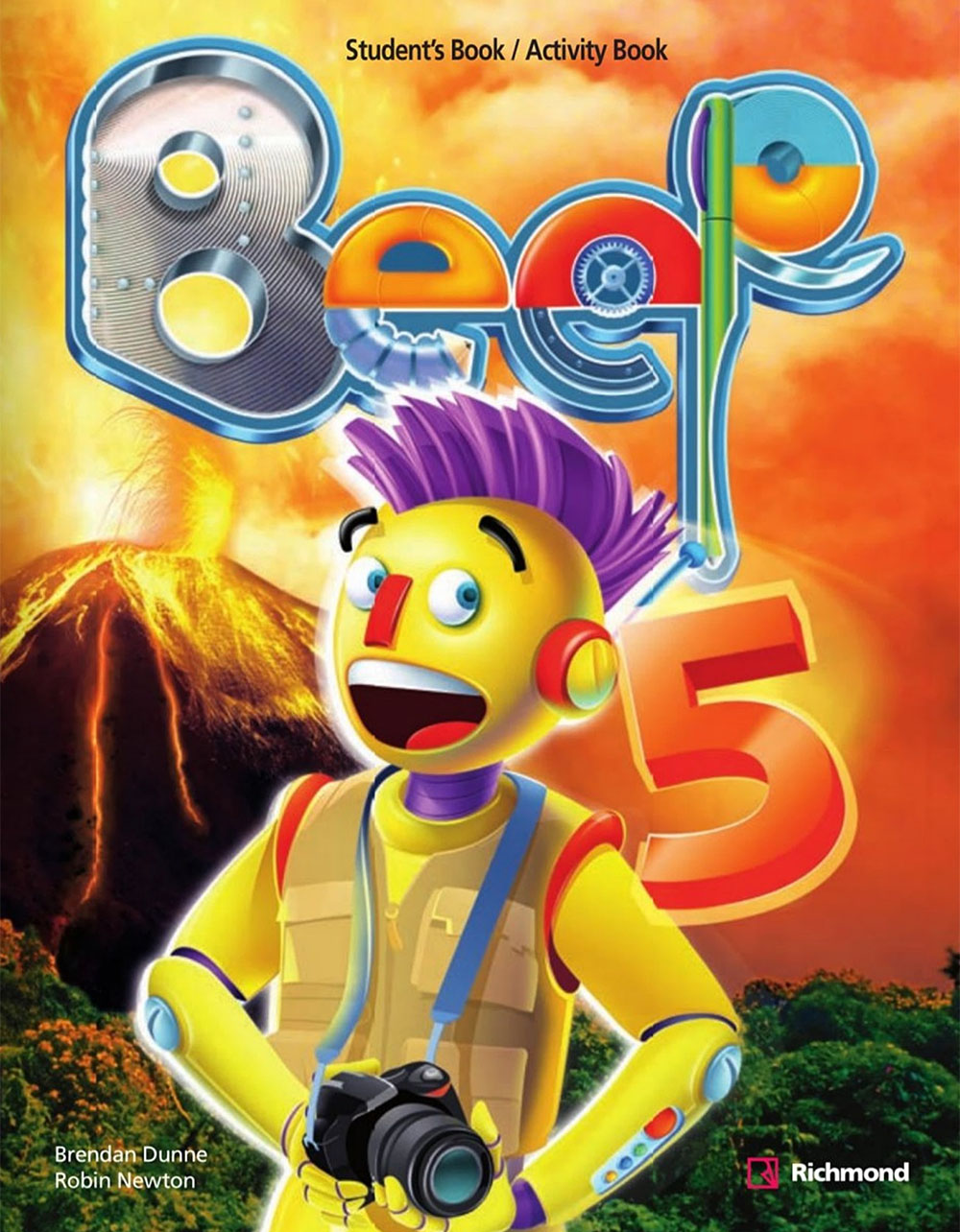
Beep 5 Student’s Book & Activity Book
3. Personalise every speaking activity
Primary learners speak more confidently when the topic is familiar.
Use strategies such as:
- Asking students to talk about their own families, pets, routines, likes, and hobbies.
- Encouraging pairwork where students interview each other using target language.
- Allowing simple drawing activities so students can describe their own creations.
Personalisation makes English meaningful and increases motivation.
4. Integrate movement and TPR-style activities
Beep is ideal for Total Physical Response (TPR), especially at lower levels:
- Use flashcards for running games, “touch the picture”, or “point and say”.
- Turn vocabulary practice into physical tasks such as miming, acting, or classroom treasure hunts.
- Rotate between sitting and moving activities to maintain focus.
Movement helps young learners stay engaged and absorb language faster.
5. Make reading and writing gradual and supportive
Beep transitions from simple recognition to guided writing. Strengthen this with:
- Pre-reading activities: predict from pictures, discuss characters, introduce key words.
- During reading: echo reading, shared reading, or reading in pairs.
- Post-reading: sequencing cards, retelling the story, or drawing favourite scenes.
- Writing support: sentence frames, word banks, model texts, and guided steps.
This scaffolding builds confidence and prevents frustration.
6. Use the Teacher’s Resource materials wisely
Beep offers many extra tools—worksheets, tests, flashcards, story cards, posters, audio, video, and project materials.
Effective strategies:
- Assign reinforcement worksheets for weaker learners.
- Use extension worksheets for stronger students or small groups.
- Play short video clips to introduce topics or review vocabulary.
- Use story cards to practise sequencing and retelling.
These resources allow you to adapt Beep for mixed-ability classes.
7. Encourage pairwork and group collaboration
To make learning interactive:
- Use pairwork for dialogues, interviews, and information-gap activities.
- Let groups complete mini-projects or posters at the end of units.
- Rotate partners often so students practise with different classmates.
This builds social skills and increases real communication time.
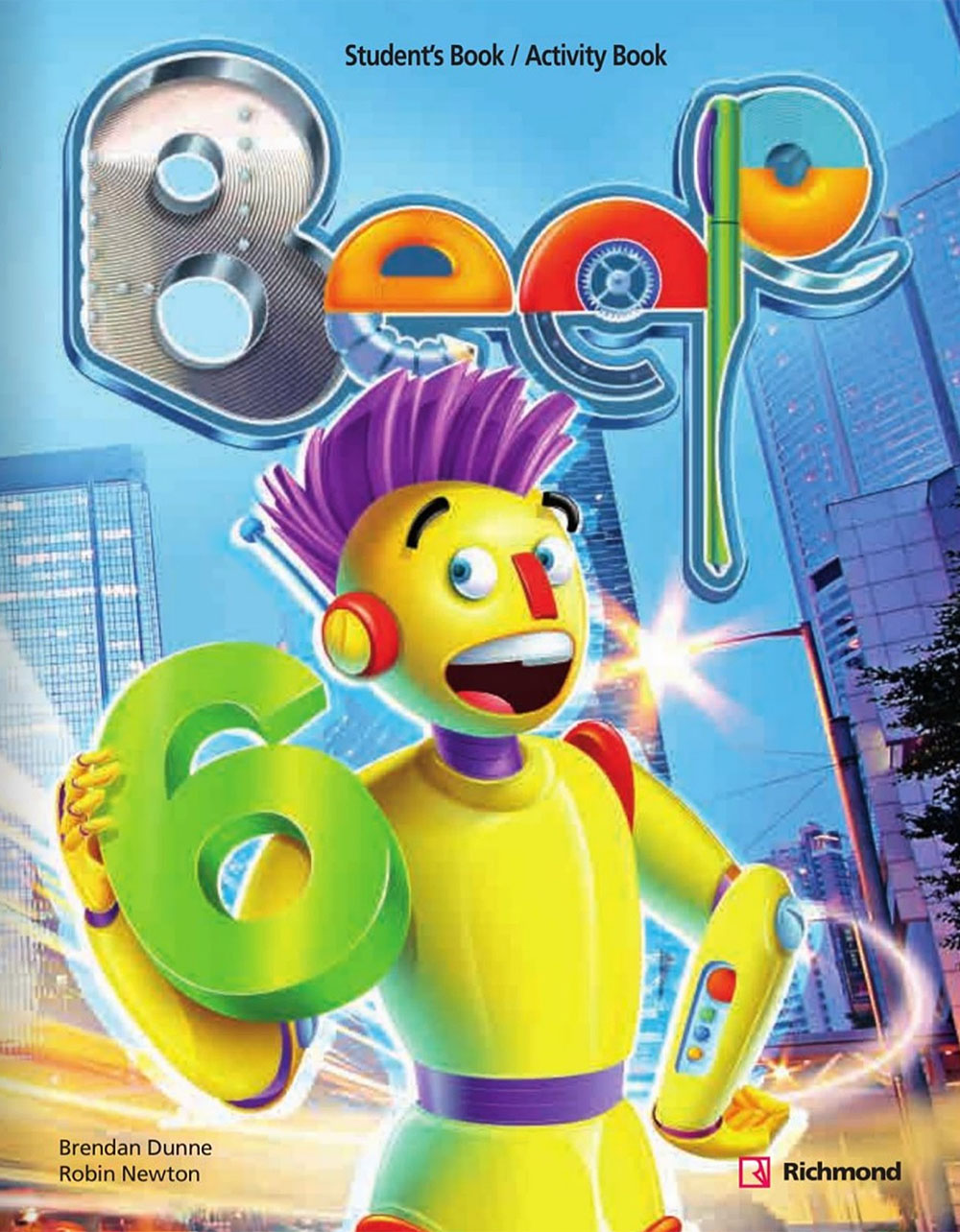
Beep 6 Student’s Book & Activity Book
8. Set short, simple homework to reinforce learning
Homework for primary learners should be brief and predictable.
Recommended:
- Activity Book pages for grammar and vocabulary practice.
- Reading a story again with a family member.
- Short speaking tasks (e.g., “Tell your family three new words you learned today”).
Small daily tasks build long-term memory.
9. Combine digital tools with classroom lessons
Many editions of Beep include multimedia support or interactive resources.
Use them to:
- Present vocabulary visually.
- Replay audio slowly or in sections.
- Allow students to practise independently at home or during computer-lab sessions.
Digital elements make learning more modern and engaging.
10. Celebrate progress frequently
Young learners respond well to positive reinforcement.
Try:
- Sticker charts
- Class “word banks” that grow each unit
- Mini certificates after projects
- Quick end-of-lesson reflections (“What did you learn today?”)
Celebrating small successes builds motivation and a long-term love for English.